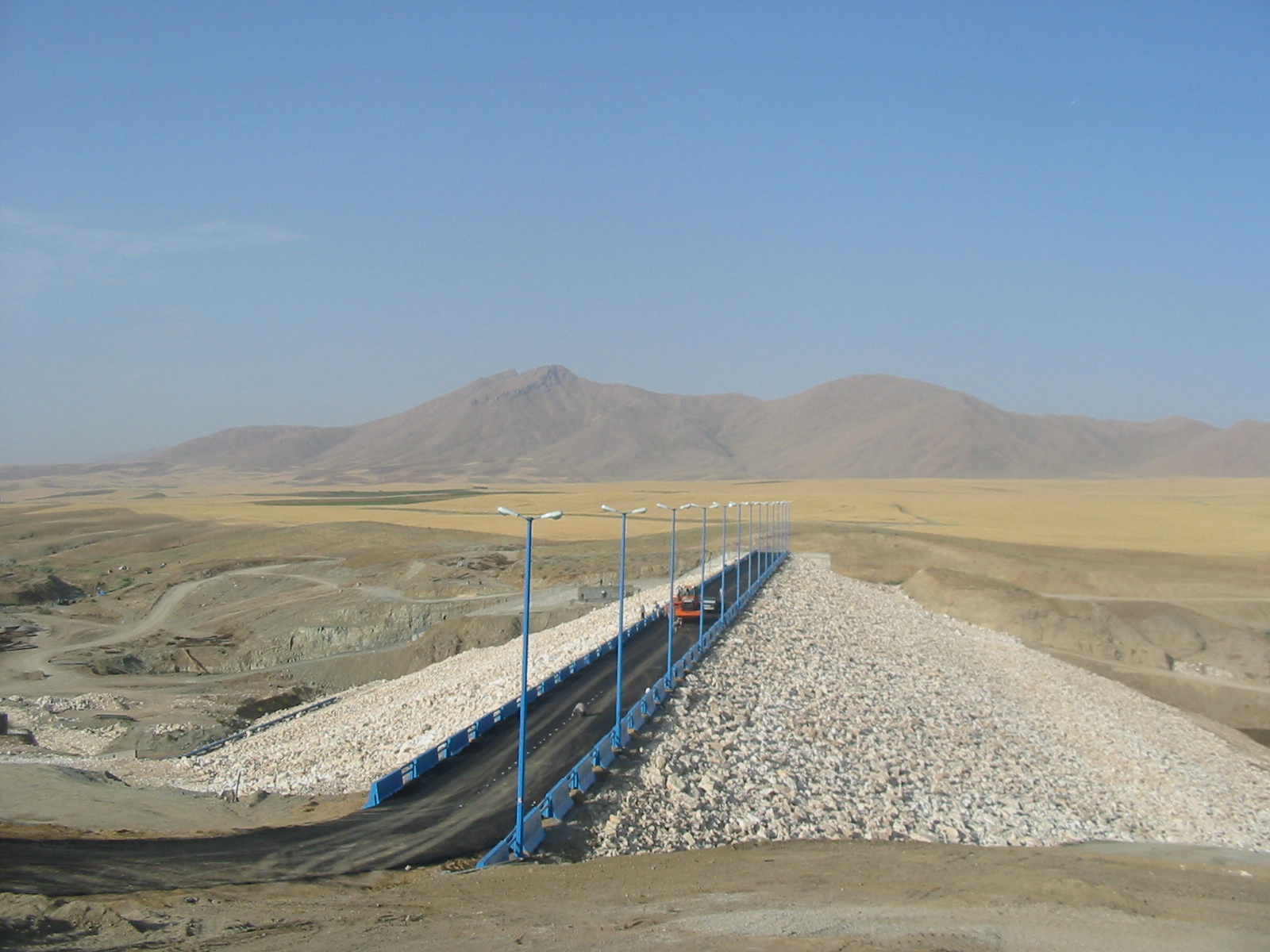
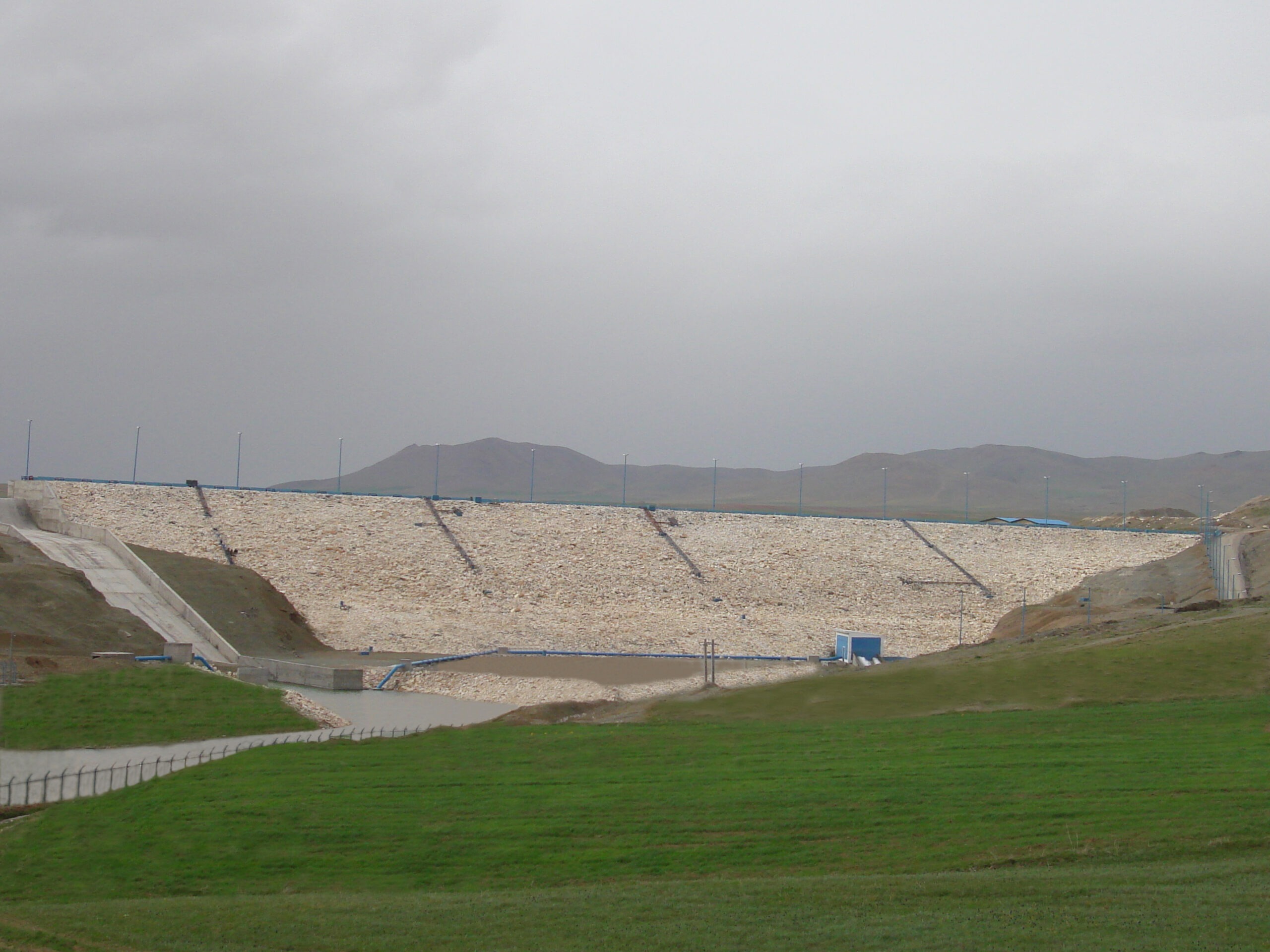
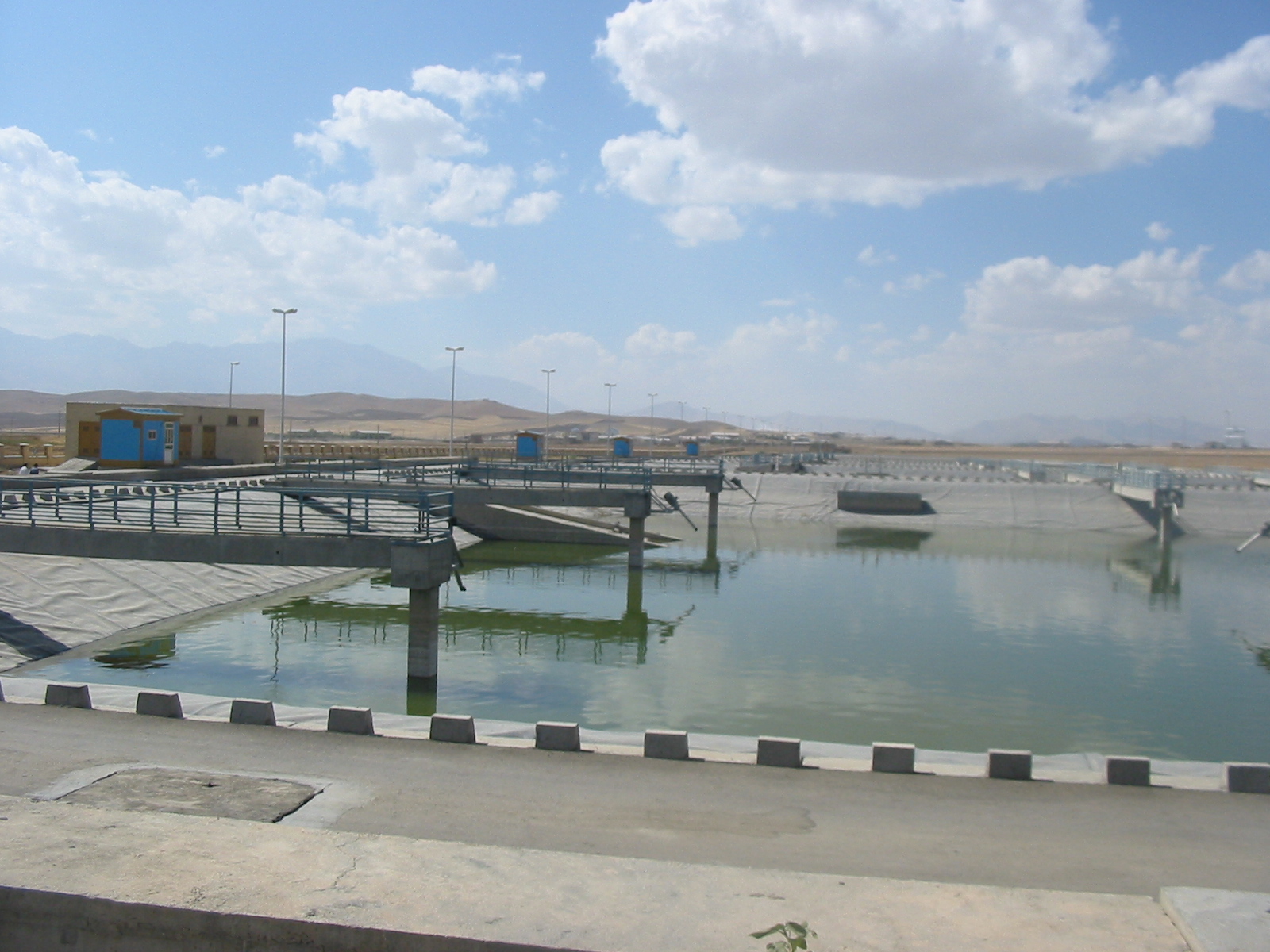
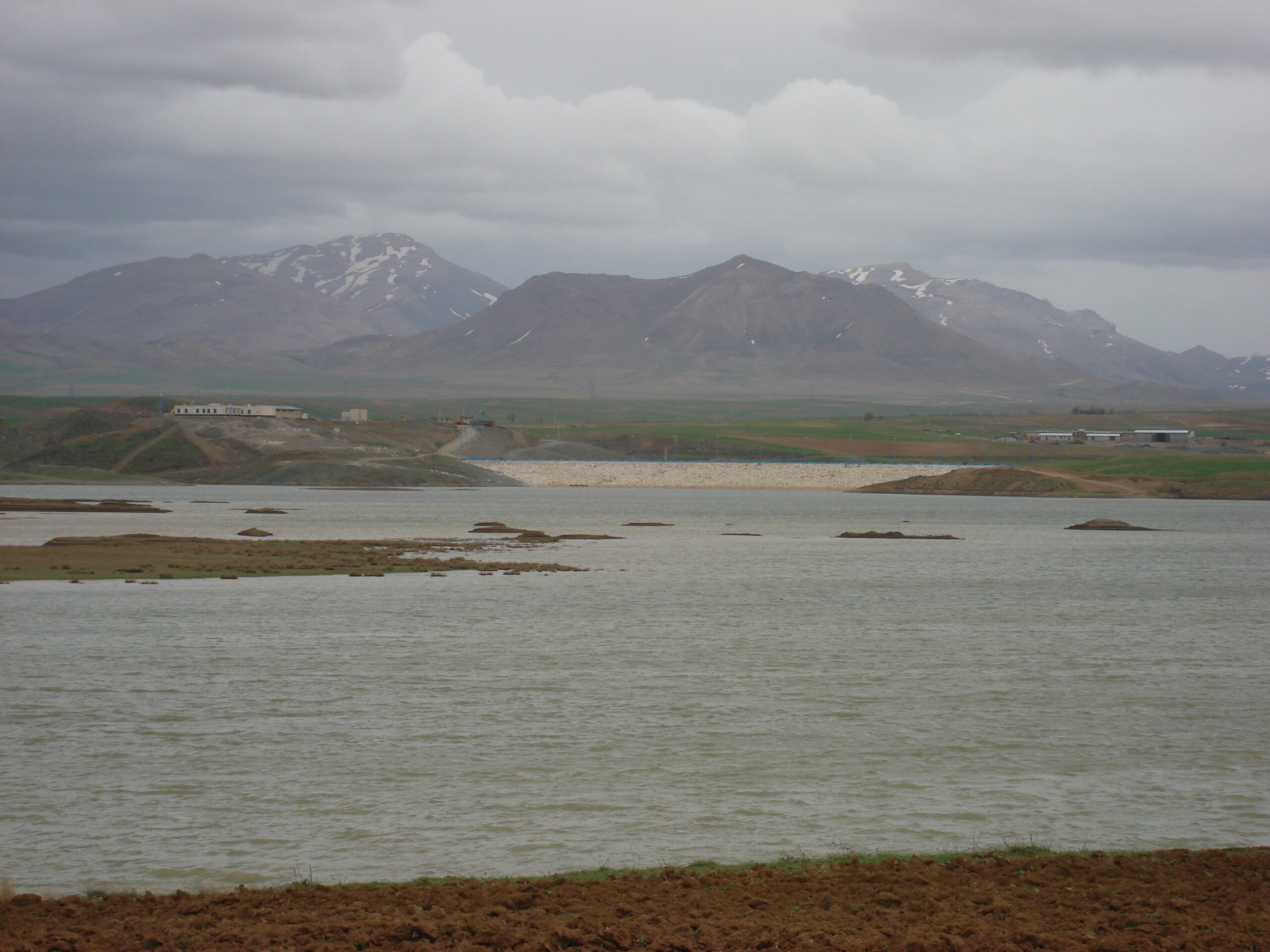
The Khanabad Dam is a major water infrastructure project designed to regulate surface water, support irrigation, and mitigate flood risks in the Zardkooh region. With a robust design and large-scale earthworks, the dam plays a vital role in sustainable water management and agricultural development.
Project value:
4.362.911
$
$4.362.911
Project value:
Project Objectives and Outcomes
Construction of Khanabad Dam to regulate surface water and expand irrigation coverage
Ensure water rights for downstream agricultural lands
Protect the environment by reducing flood damage and controlling runoff
Establish pressurized irrigation systems and pumping stations with an annual capacity of approx. 18 MCM
Seasonal water regulation and reliable supply for agriculture and ecological needs
Main Components
Dam body, spillway, chute, and stilling basin
Inlet and outlet channels, energy dissipation structures
Concrete walls, drainage systems, stone pitching, and underground seepage control
Mechanical installations and pumping stations
Operation and control building with 45 km of access roads
Surface water intakes, hydrological studies, and regional water utilization plans
Reservoir and Irrigation Network
Dam type: Earth-fill with central core
Height: 33.5 meters
Crest length: 265 meters
Reservoir volume: 14 million m³
Annual regulated water volume: 18 million m³
Irrigation network coverage: 1,900 hectares
Climate Conditions
The dam site lies in a mountainous region with a dry climate.
Average annual temperature: ~10°C
Winter lows: down to −12°C
Summer highs: up to 31°C
These conditions are ideal for seasonal water storage and controlled release.
Project Objectives and Outcomes
Construction of Khanabad Dam to regulate surface water and expand irrigation coverage
Ensure water rights for downstream agricultural lands
Protect the environment by reducing flood damage and controlling runoff
Establish pressurized irrigation systems and pumping stations with an annual capacity of approx. 18 MCM
Seasonal water regulation and reliable supply for agriculture and ecological needs







 English
  Arabic
  Persian